
Florida Roof Age Rules (2026 Update): What Homeowners Need to Know
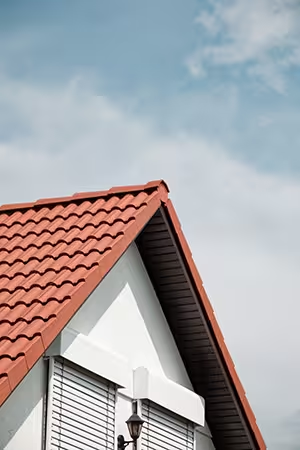
Florida roof age rules in 2026 can affect homeowners insurance eligibility, inspections, coverage options, and premiums. However, Florida does not have a statewide rule requiring every homeowner to replace a roof when it reaches 15 years old.
Florida law provides important protections for homeowners with older roofs, while individual insurance companies evaluate roof condition, remaining useful life, construction, and other underwriting factors. This guide explains the current rules for shingle, tile, metal, and flat roofs, including Florida’s 15-year roof law, Citizens Insurance requirements, and what homeowners can do when an insurer questions roof age.
Why Roof Age Matters in Florida
Florida homeowners insurance companies evaluate roof age because hurricanes, severe windstorms, heavy rainfall, and deteriorating roofing materials can contribute to property damage and insurance claims. Roof age is an important underwriting consideration, but it does not tell the entire story.
Two roofs of the same age can have significantly different conditions. Installation quality, roofing materials, maintenance, previous storm damage, ventilation, and documented repairs can influence a roof’s remaining useful life.
Insurers may consider roof age alongside physical condition, wind-mitigation features, replacement cost, property location, and other underwriting requirements. An older roof in good condition may have different insurance options than a younger roof with significant deterioration or unrepaired damage.
Florida Roof Age Rules in 2026 (Quick Reference Table)
Florida does not establish separate universal insurance replacement ages for shingle, tile, metal, and flat roofs. The table below explains how these roof types are generally evaluated and distinguishes roof condition from automatic age-based replacement requirements.
| Roof Type | Insurance Considerations | Can an Inspection Help? |
|---|---|---|
| Shingle | Age, shingle condition, installation history, wind damage, and remaining useful life | Yes — an authorized inspection may document condition and remaining useful life |
| Tile | Tile condition, underlayment, attachment, leaks, and remaining useful life | Yes — age alone does not establish whether the roof is insurable |
| Metal | Corrosion, fasteners, panel attachment, seams, storm damage, and remaining useful life | Yes — inspection findings and documentation may support underwriting review |
| Flat / Low-Slope | Membrane condition, drainage, ponding, seams, leaks, and remaining useful life | Yes — subject to roof condition and insurer requirements |
Important: Private insurance carriers may have different inspection triggers, roof-condition standards, and eligibility guidelines. These are not universal statewide age limits. Florida’s statutory roof-age protections are explained below.
Florida’s 15-Year Roof Law Explained
Under Florida Statute 627.7011(5), homeowners have protections against insurance decisions based solely on roof age.
- Roofs less than 15 years old: An insurer generally cannot refuse to issue or renew a qualifying homeowners insurance policy solely because of the roof’s age.
- Roofs 15 years old or older: Before requiring roof replacement as a condition of issuing or renewing a qualifying homeowners policy, the insurer must allow the homeowner to obtain a roof inspection from an authorized inspector at the homeowner’s expense.
- Five years of remaining useful life: If the authorized inspection indicates the roof has at least five years of useful life remaining, the insurer cannot refuse to issue or renew the qualifying homeowners policy solely because of roof age.
These protections do not guarantee insurance approval, a particular premium, or unrestricted roof coverage. Insurers may still consider physical deterioration, unrepaired damage, construction concerns, and other lawful underwriting factors.
The statute also specifies how roof age is calculated, including qualifying complete roof replacements and certain completed partial-replacement sequences. Roof permits and installation documentation can therefore be important.
For the complete legal requirements and applicable exceptions, review Florida Statute 627.7011.
Roof Rules by Type
✔ Shingle Roofs
- Shingle roofs are evaluated for age, physical condition, missing or damaged shingles, granule loss, lifting, and signs of leakage.
- Older shingles may prompt additional inspection or documentation requests, depending on the insurer.
- For qualifying homeowners policies, Florida’s statutory protections limit decisions based solely on roof age.
- An authorized roof inspection documenting at least five years of remaining useful life can be especially important for roofs 15 years old or older.
A 15-year-old or 20-year-old shingle roof is not automatically uninsurable. However, a roof with significant deterioration or unrepaired damage may still present underwriting problems regardless of its age.
✔ Tile Roofs
- Tile roofs may have longer service lives than some other roofing systems, but condition and construction details remain important.
- Inspections may evaluate cracked, slipped, or missing tiles, attachment methods, flashing, and the condition of the underlying roofing system.
- The visible tile covering and the underlying waterproofing materials may have different service lives.
- Older tile roofs may require additional documentation or repairs before an insurer will approve coverage.
Homeowners should not assume that a tile roof is acceptable solely because the tiles themselves appear durable. The overall roofing system and any evidence of water intrusion matter.
✔ Metal Roofs
- Metal roofs may provide long service lives when properly installed and maintained.
- Insurers may review corrosion, loose fasteners, panel attachment, seams, flashing, and previous storm damage.
- Roof age, installation documentation, and remaining useful life can influence underwriting decisions.
- Documented wind-resistant construction features may qualify for applicable mitigation credits, depending on the insurer.
A metal roof does not automatically guarantee lower premiums or acceptance by every carrier. The roof’s actual construction, condition, and the insurer’s guidelines remain important.
✔ Flat Roofs
- Flat and low-slope roofs may receive additional scrutiny because drainage, standing water, membrane deterioration, and seam failures can contribute to leaks.
- Insurers may request information about roofing materials, installation dates, repairs, and remaining useful life.
- Roof condition and maintenance history can be particularly important when evaluating older flat-roof systems.
- Inspection documentation may help establish whether the roof remains serviceable.
There is no single statewide insurance age cutoff applying to every flat roof. Eligibility depends on the applicable policy, roof condition, insurer requirements, and Florida law.
Citizens Insurance Roof Rules (2026)
Citizens Property Insurance Corporation has published roof-age documentation requirements that differ from many private-carrier underwriting guidelines.
According to Citizens’ roof-age guidance updated March 17, 2026, documentation of full roof replacement is required for certain properties when:
- Shingle and other roof types: The roof is more than 25 years old.
- Tile, slate, clay, concrete, and metal roofs: The roof is more than 50 years old.
Citizens identifies exceptions that may be available when documentation verifies at least five years of remaining useful life. Such documentation is subject to underwriting review, and acceptance is not automatic.
Roof condition, existing damage, inspection findings, and other eligibility requirements can also affect whether Citizens will offer coverage. These published thresholds should not be interpreted as guaranteed acceptance for younger roofs or automatic rejection for older roofs.
Homeowners and agents can review Citizens’ official roof-age requirements for current guidance.
How Roof Age Affects Insurance Eligibility
Roof age can influence underwriting, but it is only one part of the insurance evaluation. Depending on the carrier and the property’s condition, an older roof may result in additional inspection requests, documentation requirements, different coverage options, or repair recommendations.
Physical deterioration, active leaks, unrepaired storm damage, or other underwriting concerns may contribute to a nonrenewal or difficulty obtaining coverage.
Florida’s roof-age law is particularly important when an insurer requests replacement based on age alone. Homeowners should ask whether the concern involves roof age, actual condition, remaining useful life, or another underwriting requirement.
Some carriers may consider a documented roof replacement plan or other corrective action, but temporary or conditional coverage is not guaranteed.
How to Keep Your Older Roof Insurable
- Document roof age: Gather installation records, permits, invoices, and previous replacement documentation.
- Obtain an appropriate roof inspection: If your insurer questions an older roof, ask what inspection is required and whether the inspector must be approved by the carrier.
- Address maintenance issues: Repair damaged shingles, cracked tiles, deteriorated flashing, and other deficiencies through qualified professionals.
- Keep inspection and repair records: Written documentation can help demonstrate the roof’s condition and maintenance history.
- Review wind mitigation: A wind mitigation inspection may document qualifying construction features and available premium credits.
A roof-condition or remaining-useful-life inspection is not necessarily the same as a wind-mitigation inspection. The first evaluates the roof’s physical condition and expected serviceability; the second documents features that may qualify for wind-related insurance discounts. Depending on the insurer, different documentation may be needed.
When You Should Consider Replacing Your Roof
- An inspection identifies significant deterioration or insufficient remaining useful life.
- The roof has recurring leaks, widespread damage, or structural concerns that cannot reasonably be addressed through repairs.
- An insurer identifies legitimate roof-condition deficiencies that prevent coverage eligibility.
- You are planning a home purchase and the roof’s condition or replacement cost affects the transaction.
- A roofing professional recommends replacement based on the roof’s actual condition and expected performance.
A roof replacement may improve insurance eligibility and can affect available premiums, depending on the carrier, roof characteristics, and qualifying wind-mitigation features. A new roof does not automatically guarantee lower insurance premiums. Homeowners should compare the cost of replacement with the roof’s actual condition, remaining useful life, and available insurance options before making a major financial decision.
Florida Roof Requirements Explained 2026
Florida Roof Age Rules FAQ
Can I get insurance with a 20-year-old shingle roof?
Yes, it may be possible. Florida law protects qualifying homeowners against refusal or nonrenewal based solely on roof age when an authorized inspection establishes at least five years of remaining useful life. However, actual roof condition and other lawful underwriting requirements still matter. Private carrier availability can vary.
Does Citizens accept older roofs?
Yes, older roofs may qualify, depending on their condition, documentation, and Citizens’ underwriting review. Citizens publishes additional documentation requirements for shingle and other roofs more than 25 years old and tile, slate, clay, concrete, and metal roofs more than 50 years old. Exceptions may be considered when documentation establishes at least five years of remaining useful life.
Do I need a roof inspection for older roofs?
Not every older roof automatically requires the same inspection. Requirements depend on the insurer, roof age, condition, and applicable underwriting rules. Under Florida Statute 627.7011(5), homeowners with qualifying roofs at least 15 years old have an inspection opportunity before an insurer requires replacement as a condition of issuing or renewing a homeowners policy. Ask your insurer what documentation and inspector qualifications it accepts.
Will a new roof lower my premium?
Possibly. A new roof may improve eligibility with certain insurers and can affect available pricing. Qualifying wind-resistant construction features may also result in applicable mitigation credits. However, premium changes depend on the insurer’s rating guidelines, coverage selections, property characteristics, and other factors. A lower premium is not guaranteed.
Does Florida require me to replace my roof at 15 years old?
No. Florida’s 15-year roof law is not a statewide mandatory replacement rule. It limits certain insurance decisions based solely on roof age and provides an inspection opportunity for qualifying older roofs. A roof may still require replacement because of deterioration, damage, or other legitimate underwriting concerns.
What is the difference between roof age and remaining useful life?
Roof age measures how long the roofing system has been in place under the applicable statutory calculation. Remaining useful life is a professional estimate of how much longer the roof can continue to perform adequately. A roof’s actual condition, materials, installation quality, and maintenance can influence that estimate. Two roofs of the same age may have different remaining useful lives.
Need Help Understanding Florida Roof Requirements?
If you’re unsure whether your roof meets current underwriting guidelines, have questions about an older roof, or want to compare Florida home insurance options, I can help you review available coverage and carrier requirements.
Roof age alone does not determine whether your home is insurable. Comparing carriers, reviewing the roof’s actual condition, and providing accurate inspection documentation can help identify appropriate options.
Get a Florida Home Insurance Quote

